
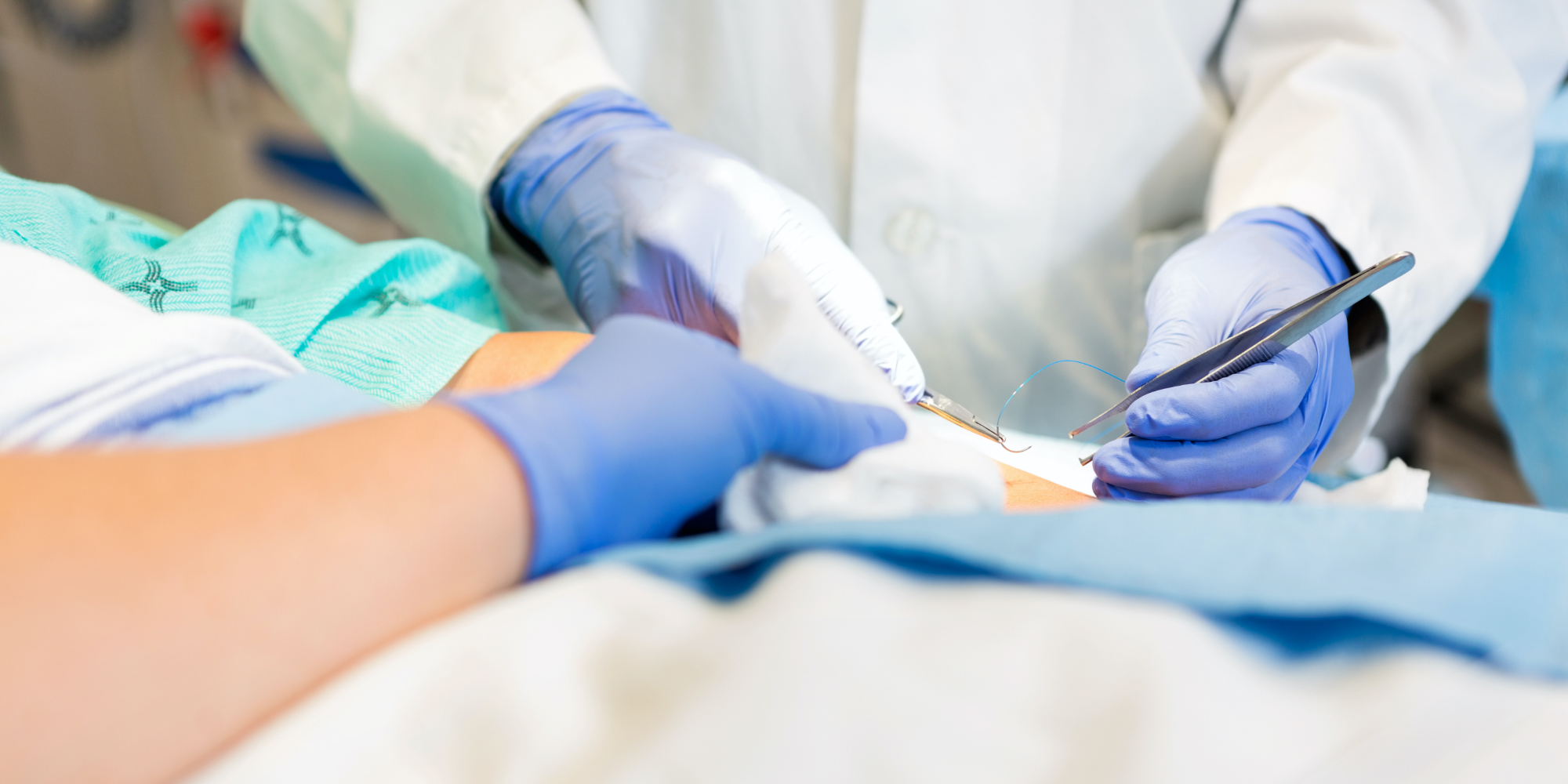
Most small cuts, scrapes, and surgical incisions improve step by step, day by day. The body sends blood, oxygen, nutrients, and immune cells to the area so new tissue can form and over time, all is normal again. But sometimes a wound seems stuck. It may stay open, drain fluid, become more painful, or even fail to shrink over time. This is what might be called a slow-healing or non-healing wound.
A wound that does not heal is not a sign that someone has done something wrong. It just means the body is facing a barrier that needs medical attention.
How Does Normal Wound Healing Work?
Wound healing is a process. You can think of it like a road repair crew.
First, the body stops bleeding. Then it clears away damaged tissue and germs. Next, it builds new tissue. Finally, the area strengthens and remodels over time.
For healing to move forward, the body needs:
- Good blood flow
- Enough oxygen
- Protein and nutrients
- Control of swelling
- Protection from infection
- Proper wound care
- Relief from repeated pressure or friction
When one or more of these pieces is missing, the wound may stall.
Why Is My Wound Not Healing?
A wound may not heal because something is slowing or interrupting the normal repair process.
Common causes include:
- Poor circulation
- Diabetes
- Infection
- Repeated pressure on the area
- Swelling in the legs or feet
- Smoking or any nicotine use
- Poor nutrition
- Certain medications
- A weakened immune system
- A wound that is deeper or larger than it first appeared
Sometimes the cause is obvious. Other times, it takes a medical evaluation to understand what is keeping the wound open.
Can Poor Circulation Slow Wound Healing?
Yes. Blood flow is one of the most important parts of wound healing.
Blood carries oxygen and nutrients to the wound. If circulation is poor, the wound may not get enough of what it needs to repair itself. This can happen in the feet, legs, or other areas where blood flow is reduced.
Signs that circulation may be part of the problem include:
- Wounds on the feet or lower legs
- Cool skin around the area
- Skin color changes
- Pain in the legs with walking
- A wound that looks dry or does not form healthy new tissue
A provider may need to evaluate circulation before deciding on a treatment plan.
Can Diabetes Make Wounds Heal More Slowly?
Yes. Diabetes can affect wound healing in several ways.
High blood sugar over time can damage blood vessels and nerves. Reduced blood flow can slow healing, and nerve damage may make it harder to feel a sore, blister, or notice an injury. This makes foot wounds a special concern for people with diabetes.
For a person with diabetes, a small sore can become more serious if not noticed early. Daily foot checks, proper shoes, control of blood sugar, and prompt medical care for cuts or sores can help lower the risk of complications.
How Does Infection Affect Healing?
Infection can cause a non-healing wound because the body has to fight germs instead of focusing only on repairing the tissue.
Possible signs of infection include:
- Increasing redness
- Warmth around the wound
- Worsening swelling
- More pain
- Pus or cloudy drainage
- A bad smell
- Fever
- Red streaking from the wound
If these symptoms occur, medical care is needed. Some infections can spread and become serious.
Can Pressure or Friction Keep a Wound Open?
Yes. A wound may not heal if the same area keeps getting pressure or rubbing.
This can happen with:
- Foot wounds from tight shoes
- Pressure sores in people who sit or lie in one position for long periods
- Wounds near skin folds
- Incisions irritated by clothing or movement
Imagine trying to patch a crack in a sidewalk while people keep stepping on it. The repair may not hold until the pressure is reduced. Wounds can behave the same way.
When Should I Worry About a Wound That Will Not Heal?
You should contact a healthcare provider if a wound:
- Has not started to improve after about 2 weeks
- Has not healed after several weeks
- Is getting larger, deeper, or more painful
- Has drainage, odor, or signs of infection
- Is on the foot, especially if you have diabetes
- Opens after surgery
- Has black, gray, or dead-looking tissue
- Is associated with fever or spreading redness
A wound does not have to look dramatic to need care. If it is not moving in the right direction, it is worth getting checked.
What Will a Doctor Do for a Non-Healing Wound?
Care depends on the wound and the reason it is not healing.
A provider may:
- Examine the wound
- Check for infection
- Review medical conditions and medications
- Evaluate blood flow
- Remove dead tissue when appropriate
- Recommend specific dressings
- Discuss pressure relief
- Coordinate care for diabetes, circulation, or nutrition concerns
- Decide whether surgical care is needed
The goal is to identify the barrier to healing and remove it when possible.
What Can Patients Do to Support Healing?
You can support wound healing by following your provider’s instructions and protecting the wound.
Helpful steps may include:
- Keep the wound clean and covered as directed.
- Avoid picking at scabs or tissue.
- Watch for redness, swelling, drainage, odor, or fever.
- Eat a balanced diet with vitamins, minerals, and protein
- Manage blood sugar if you have diabetes.
- Avoid smoking or any nicotine use, which reduces blood flow.
- Keep pressure off the wound when instructed.
- Keep follow-up appointments.
Do not use harsh products, home remedies, or leftover antibiotics unless a healthcare provider recommends them. Some products can irritate tissue and slow healing.
Key Takeaways
- A non-healing wound often means something is blocking the body’s repair process.
- Poor circulation, diabetes, infection, pressure, swelling, and nutrition problems can all slow healing.
- Foot wounds in people with diabetes should be taken seriously.
- Signs of infection need prompt medical care.
- Treatment works best when the underlying cause is identified.
Conclusion
A wound that will not heal can be frustrating and concerning, but there is often a reason behind it. The key is not to wait too long. Early evaluation can help identify infection, circulation problems, pressure, diabetes-related concerns, or other barriers to healing.
If you have a sore, incision, or wound that is not improving, a qualified healthcare provider can help determine the next step and guide safe care.
“This article is intended for educational purposes only and should not be considered medical advice. Every patient and medical condition is unique. If you have questions about your health, symptoms, diagnosis, or treatment options, please schedule an appointment with a qualified healthcare provider. Information in this article is not a substitute for professional medical evaluation and care.”
Sources cited